

AI video gets social
OpenAI drops Sora 2, Meta monetizes chats, Apple vs Musk, SAG fights AI actors, OpenAI burns billions.

Sora 2 arrives as AI video goes social
OpenAI has unveiled Sora 2, a new video and audio generation model that brings sharper physics, synchronized dialogue and sound, and much better control over shots and styles. To showcase it, OpenAI also launched Sora, a social iOS app where users can create, remix, and share AI-generated clips.
What’s new
Sora 2 can model realistic outcomes — a missed basketball shot bounces off the rim instead of teleporting into the hoop — and handle complex instructions across multiple scenes. It also supports “cameos,” letting people insert their likeness and voice into generated videos after a short verification process.
The app
The Sora app feels TikTok-like, but OpenAI says it is optimized for creativity, not scrolling. The feed is designed to prioritize inspiration and friend activity rather than maximizing time spent. Teens get stricter limits and controls, while parents can manage usage through ChatGPT.
The bigger picture
OpenAI is pitching Sora as a healthier alternative to social media, promising no ads for now and only optional payments if demand outpaces compute supply. But as generative video becomes costly to run, questions remain about long-term monetization.
Meanwhile, Meta just launched Vibes, an AI-video feed inside its Meta AI app, and confirmed plans to feed user interactions into its ad system by December. That sets up a split: OpenAI framing itself as user-first, Meta leaning on its proven ad machine.
Takeaway: AI video is shifting from novelty tools to social platforms. OpenAI wants Sora to feel like a creative playground, while Meta is betting on familiar ad-driven engagement. Both moves hint at a new era where AI-generated clips compete directly for our attention.
Supported by CodeRabbit
Bring AI code review straight into your terminal.

CodeRabbit CLI catches bugs, hallucinations, and logic errors before they ship with instant, senior-engineer level reviews right in your flow state. No context switching and no waiting on PRs.
Integrate with Claude Code, Cursor CLI, or Gemini and get line-by-line feedback, one-click fixes, and multi-layered reviews across any language.
Stay fast, stay clean, and ship production-ready code with confidence.
Apple pushes back on Musk’s AI lawsuit
Apple has asked a Texas judge to dismiss Elon Musk’s lawsuit accusing the company of hurting competition by partnering with OpenAI over his startup xAI.
The dispute
Musk’s xAI and X Corp. sued in August, claiming Apple’s favoritism stifled innovation and deprived consumers of choice.
Apple’s lawyers argue the case is baseless, saying antitrust law doesn’t require it to partner with “every other chatbot” regardless of quality or feasibility.
Apple added OpenAI tech into the iPhone earlier this year and says it still intends to work with other providers.
Why it matters
The fight pits Apple against Musk as he tries to grow xAI into a rival to OpenAI. If the case proceeds, it could test how courts view exclusive AI partnerships in a market that is consolidating fast.
Takeaway: Apple says its OpenAI deal is just business, not antitrust. Musk is framing it as another Big Tech gatekeeping move.
Meta to use AI chats for ads starting December

Meta says it will begin using people’s interactions with Meta AI to personalize feeds and ads across Facebook and Instagram from December 16.
The details
Conversations with Meta AI, by voice or text, will feed into the same recommendation system that already uses likes and follows.
Talk to the bot about hiking, and you may later see trail groups, friends’ updates, or ads for boots.
Sensitive topics such as religion, politics, health, and sexuality will be excluded from ad targeting.
No opt-out
Notifications go out on October 7, and users won’t have the option to opt out — though the change only affects those who use Meta AI. The rollout excludes the UK, EU, and South Korea.
Why it matters
Meta AI now has 1 billion monthly users, giving the company a massive dataset to supercharge personalization at a scale Google and Amazon haven’t attempted. For advertisers, it means new targeting precision. For users, it raises fresh privacy concerns.
Takeaway: Meta is turning AI chats into an ad engine, using conversations to fuel one of the most powerful recommendation systems in tech.
Actors union rebukes AI-generated actress
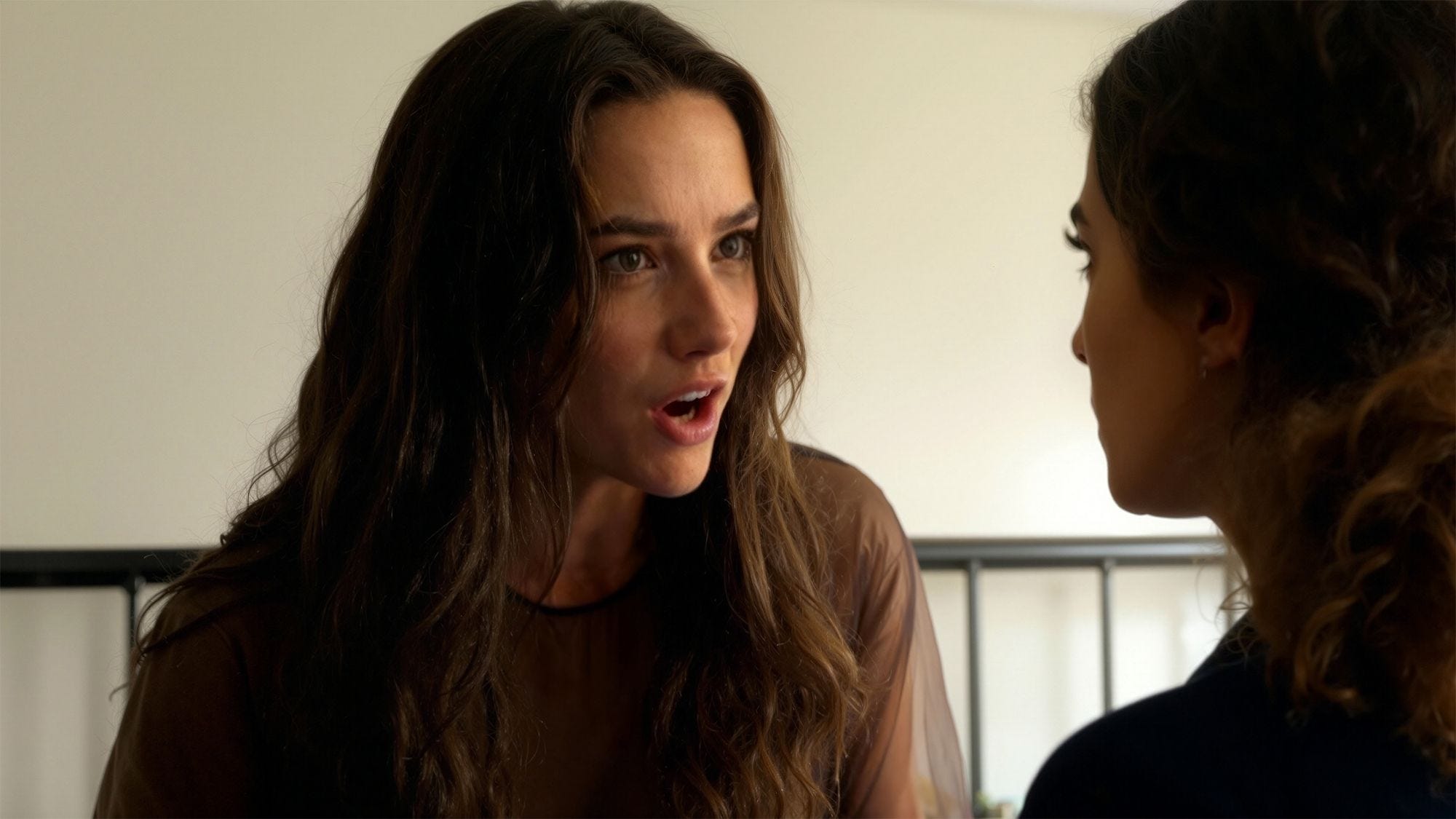
SAG-AFTRA has criticized Tilly Norwood, an AI-generated actress whose debut in a viral comedy sketch sparked debate over synthetic performers.
The controversy
SAG-AFTRA said it is “opposed to the replacement of human performers by synthetics,” warning that such characters risk stealing performances, cutting jobs, and “devaluing human artistry.”
Tilly was created by Eline van der Velden of Particle6, who called the character an “experiment” and compared AI to a “new paintbrush,” not a replacement. She’s even held talks with talent agents about representing Norwood.
The viral clip, AI Commissioner, parodies the UK TV pitch process and tested well with audiences, according to van der Velden.
Industry backdrop
Hollywood unions have long fought to limit AI’s use in entertainment. Strikes in 2023 centered on job protections, and studios including Disney and Warner Bros. have filed lawsuits against AI startups for copyright misuse. Just this month, Disney sent a cease-and-desist to Character Technologies for allegedly using its IP without permission.
Takeaway: Tilly Norwood may be billed as satire, but her rise highlights a growing flashpoint: when does AI cross from creative tool to outright replacement of human talent?
OpenAI pulls in $4.3B revenue, posts $7.8B loss
OpenAI generated $4.3 billion in revenue in the first half of 2025, according to The Information, keeping pace with its full-year projection of $13 billion. But the company also posted an operating loss of $7.8 billion, fueled by massive spending on model development, sales, and talent.
Where the money went
R&D: The biggest cost driver as OpenAI builds its next generation of models.
Sales & marketing: $2B in the first half, nearly double what it spent in all of 2024.
Equity comp: $2.5B in stock-based pay, reflecting fierce competition for AI talent.
Microsoft cut
OpenAI must hand over 20% of revenue to Microsoft under their partnership, though the company expects that percentage to shrink — potentially saving $50B through 2030.
Valuation push
The company is planning a $500B valuation tender offer for employee shares, up from $260B at the start of the year, and is seeking tens of billions in new funding from Nvidia and others to build data centers.
Takeaway: OpenAI is scaling revenue at breakneck speed but burning cash even faster, betting that infrastructure and talent spending will secure its lead in the AI race.